
Uninsured Motorist Coverage — Maine
Free to compare
Maine's Uninsured Motorist Mandate Applies Per Policy
You added a second car to your Maine auto policy and assumed each vehicle now carries its own uninsured motorist protection. The structural reality: Maine requires UM coverage on every policy, but the limit you selected applies to the entire policy — every vehicle, every driver, every accident — not separately to each car. A household with three cars and a $50,000 per person / $100,000 per accident UM limit shares that $100,000 ceiling across all three vehicles.
This matters most when multiple household members drive different cars. If two drivers in your household are hit by uninsured motorists in separate incidents within the same policy period, both claims draw from the same $100,000 per-accident limit. The first claim does not reset the limit for the second. Understanding how Maine's mandatory UM coverage scales — or fails to scale — across multiple vehicles determines whether your household is actually protected or severely underinsured.
“Maine's per-policy UM limit does not multiply by the number of vehicles — three cars share one ceiling, not three separate limits.”

See What Maine Drivers Pay for the Coverage They Need
Get My Maine Car Insurance Quote5.7%
Maine Uninsured Motorist Rate
Nearly 1 in 18 drivers on Maine roads carries no liability insurance. Your UM coverage is the only financial protection when one of them causes an accident that injures you or damages your vehicle.
Insurance Information Institute, 2023
What Uninsured Motorist Coverage Actually Pays
Uninsured motorist coverage pays your medical bills, lost wages, and pain-and-suffering damages when an at-fault driver has no insurance. In Maine, UM also covers underinsured motorist scenarios: the at-fault driver carries liability insurance, but their limit is too low to cover your injuries.
Maine requires UM bodily injury coverage at limits equal to your liability minimums unless you reject it in writing. The state minimum is $50,000 per person and $100,000 per accident, matching the mandatory liability floor. Most carriers also offer uninsured motorist property damage (UMPD), which pays for vehicle damage when the at-fault driver is uninsured, but UMPD is optional in Maine and subject to a separate deductible.
The coverage follows the policy, not the vehicle. When you insure two cars on one policy, both vehicles share the same UM limit. If your teenage driver is hit by an uninsured motorist while driving the family sedan and your spouse is rear-ended by another uninsured driver in the SUV two weeks later, both claims compete for the same per-accident ceiling. The second accident does not get a fresh $100,000 — it gets whatever remains after the first claim settles.
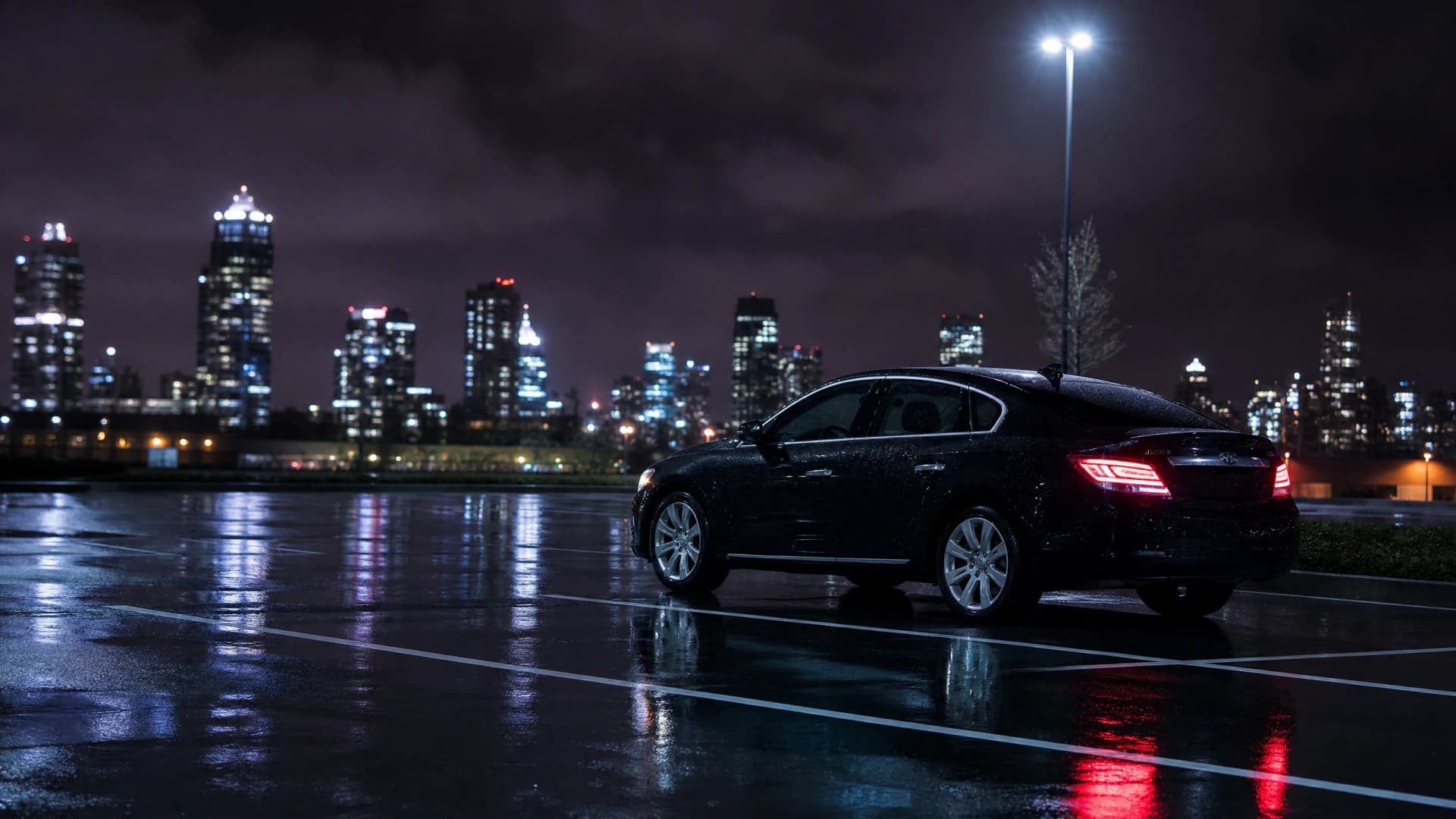
Maine's per-policy UM limit does not multiply by the number of vehicles you insure. Three cars on one policy share one limit, not three separate limits.


Structuring UM Coverage for a Multi-Vehicle Household
Households with multiple drivers face higher aggregate exposure to uninsured motorists. More drivers on the road means more opportunities for someone without insurance to cause an accident. The state minimum $50,000/$100,000 UM limit was designed for a single-car household with one or two drivers, not a family with three vehicles, two teenage drivers, and a daily commute into Portland.
Increasing your UM limits costs less than most drivers expect.
You cannot assign different UM limits to different vehicles on the same policy. The limit you select applies uniformly to every car. If you want higher UM protection for one vehicle, you must raise the limit for the entire policy or move that vehicle to a separate policy with its own UM election. Splitting policies purely to vary UM limits usually costs more in lost multi-car discounts than it saves, but it is structurally possible when one vehicle faces disproportionate risk.
$50,000 / $100,000
Maine Minimum UM Requirement
Maine law requires every auto policy to include uninsured motorist bodily injury coverage at these minimums unless the policyholder rejects it in writing. The limit matches the state's mandatory liability floor.
Maine Bureau of Insurance

Stacking and Non-Stacking UM Policies
Maine is a non-stacking state for uninsured motorist coverage. You cannot combine the UM limits from multiple vehicles on the same policy to create a higher per-accident ceiling.
Maine does not permit this. The per-accident limit is the per-accident limit, regardless of how many cars you insure. The only way to increase your household's total UM protection is to raise the per-accident limit itself or to maintain separate policies on separate vehicles, each with its own UM limit — but separate policies eliminate the multi-car discount and usually cost more overall.
Compare Carriers and Adjust Your UM Limits
Most multi-vehicle households in Maine carry the state minimum $50,000/$100,000 UM limit because it was the default when they bought the policy, not because they evaluated their actual exposure. A household with two working adults, two vehicles, and a combined 30,000 miles of annual driving faces materially higher uninsured-motorist risk than a retired couple with one car driven 5,000 miles per year. The minimum limit does not scale to that difference.
Carriers in Maine price UM coverage differently. Compare quotes with higher UM limits across at least three carriers before renewing. The cheapest carrier at minimum limits is often not the cheapest at higher limits, and the coverage difference matters more than the premium difference when an uninsured driver totals your car and injures your family.
How UM Limits Work Across Multiple Vehicles
The per-person limit caps what any single injured person can recover from your UM coverage in one accident. If you carry $50,000 per person, one driver injured in a crash with an uninsured motorist can claim up to $50,000 for medical bills, lost income, and pain and suffering. The per-accident limit caps the total payout for all injuries in a single accident. A $100,000 per-accident limit means the carrier will pay no more than $100,000 combined, even if three household members are injured in the same collision.
When you insure multiple vehicles, the limits do not stack. If two separate accidents occur in the same policy term involving different household vehicles, each accident is subject to the same $100,000 ceiling, but the limit does not carry over or reduce between unrelated accidents. The risk is simultaneous or closely-timed claims that exhaust the shared limit before every injured household member is made whole.
Get Your Free Quote
Get My Maine Car Insurance QuoteFrequently Asked Questions
Does Maine require uninsured motorist coverage on every vehicle?
Maine requires UM coverage on every auto policy, not every vehicle. The coverage applies at the policy level, so all vehicles on one policy share the same UM limit. You cannot reject UM coverage unless you do so in writing, and the minimum required limit is $50,000 per person and $100,000 per accident.
Can I have different UM limits on different cars in Maine?
No. The UM limit you select applies to the entire policy and every vehicle insured under it. If you want different UM protection for different vehicles, you must place them on separate policies, each with its own UM election. Splitting policies usually costs more due to lost multi-car discounts.
What happens if two cars on my policy are hit by uninsured drivers in the same month?
Each accident is subject to the same per-accident UM limit, but the limit does not reduce between unrelated accidents. If your policy carries $100,000 per accident UM coverage, the first accident can claim up to $100,000 and the second accident can also claim up to $100,000, assuming they are separate incidents. The limit does not carry over or stack.
Does increasing UM coverage cost a lot more on a multi-car policy?
The cost increase is modest compared to the additional protection, especially for households with multiple drivers and higher aggregate exposure to uninsured motorists.
Is uninsured motorist property damage required in Maine?
No. Maine requires uninsured motorist bodily injury coverage but does not mandate uninsured motorist property damage (UMPD). UMPD is optional and covers vehicle damage when an at-fault driver has no insurance.