
Liability-Only vs Full Coverage Car Insurance — Maine
Free to compare
The Coverage Decision Households Face
You own two or three vehicles. One is newer, financed or leased, and carries full coverage because the lender requires it. The others are older, paid off, and you're weighing whether to drop collision and comprehensive and carry only Maine's minimum liability. The premium difference is real, but so is the risk: if you total the car you insured liability-only, you replace it out of pocket or go without.
This article clarifies what liability-only actually covers in Maine, what full coverage adds, and how to structure coverage across multiple vehicles so you're protected where it matters without overpaying for coverage you don't need. The decision hinges on vehicle value, replacement cost, and how losing one car affects your household's ability to function.
“Losing the liability-only vehicle in a total-loss crash means replacing it out of pocket or going without.”

See What Maine Drivers Pay for the Coverage They Need
Get My Maine Car Insurance Quote$50,000 / $100,000 / $25,000
Maine Liability Minimum
Maine requires $50,000 bodily injury per person, $100,000 bodily injury per accident, and $25,000 property damage. This is the floor for legal operation, not a recommendation. Maine also mandates personal injury protection and uninsured motorist coverage.
Maine Bureau of Insurance
What Liability-Only Covers
Liability-only means you carry Maine's minimum required coverages: bodily injury liability at $50,000 per person and $100,000 per accident, property damage liability at $25,000, plus the state-mandated personal injury protection and uninsured motorist coverage. These coverages pay for damage you cause to others. They do not pay to repair or replace your own vehicle after a crash, theft, fire, or weather event.
If you're at fault in a collision, liability pays the other driver's medical bills and vehicle repairs up to your policy limits. If the damage exceeds $25,000 in property or $50,000 per injured person, you pay the difference out of pocket. Your own car's damage is your responsibility entirely. If the vehicle is totaled, you lose the car and receive nothing from your insurer.
Personal injury protection covers your own medical expenses and lost wages regardless of fault, up to the policy limit. Uninsured motorist coverage pays your medical bills and vehicle damage when the at-fault driver has no insurance. These are mandatory in Maine and appear on every policy, liability-only or full coverage.
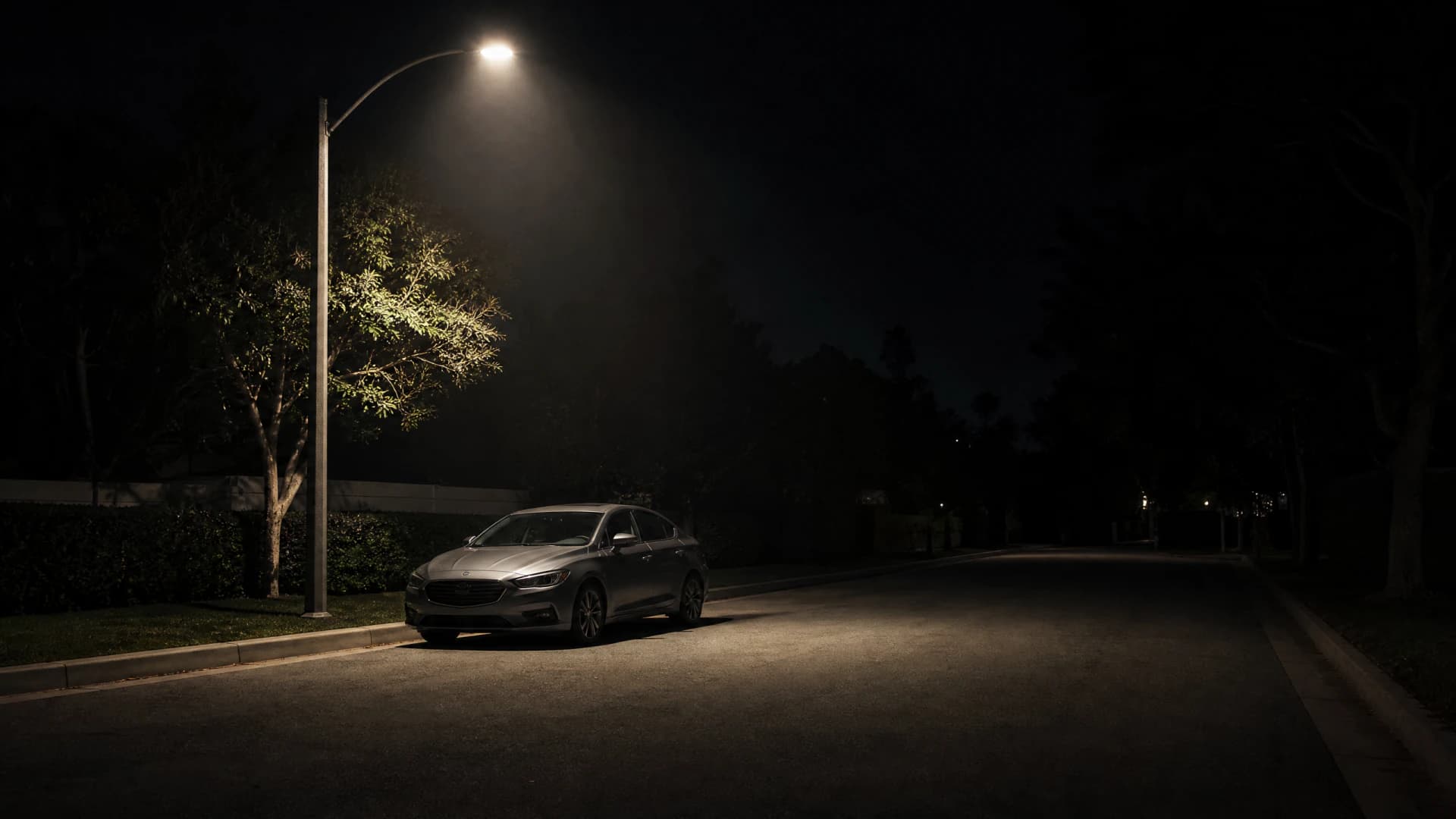
Liability-only leaves you unprotected for your own vehicle's damage. A total loss means you replace the car out of pocket or go without.
Related Articles




How the Decision Changes Across Multiple Vehicles
Households with multiple vehicles often structure coverage differently per car. A financed 2022 sedan carries full coverage because the lender requires it.
The structural reality: losing the liability-only vehicle in a total-loss crash means replacing it out of pocket. If losing that vehicle forces a financing decision the household isn't prepared for, the collision and comprehensive premium is cheaper than the replacement risk.
A common failure mode: households drop collision and comprehensive on the second or third vehicle to lower the monthly premium, then total that vehicle six months later and discover they cannot afford to replace it. The household now operates with one fewer car, which disrupts commutes, school runs, and errands. The premium savings evaporates in Uber costs and schedule friction.
5.7%
Maine Uninsured Motorist Rate
5.7% of Maine motorists drive uninsured. Uninsured motorist coverage is mandatory in Maine and protects you when an at-fault driver has no insurance. This coverage applies whether you carry liability-only or full coverage.
Insurance Research Council, 2023

The Vehicle-Value Threshold
A conventional rule: if the combined annual cost of collision and comprehensive exceeds 10% of the vehicle's current market value, consider dropping those coverages and carrying liability-only.
This rule assumes you can replace the vehicle out of pocket if it's totaled. If you cannot, the threshold shifts. A household that would finance a replacement rather than pay cash should keep full coverage on any vehicle they cannot afford to lose, regardless of the 10% ratio.
Compare Carriers That Write Multiple Vehicles
Maine households insuring multiple vehicles should compare carriers that offer a multi-car discount and allow mixed coverage levels on the same policy. Carriers writing in Maine include State Farm, Geico, Progressive, Allstate, Nationwide, Liberty Mutual, Farmers, USAA, Travelers, and others. Most allow you to carry full coverage on one vehicle and liability-only on another within the same policy, and the multi-car discount applies to the total premium.
Request quotes with full coverage on your highest-value vehicle and liability-only on the others. Compare the premium difference against each vehicle's replacement cost.
Verify that the multi-car discount applies when coverage levels differ across vehicles. Some carriers require all vehicles on the policy to carry the same coverage types to qualify for the discount. Others apply the discount regardless of coverage mix. Ask explicitly before binding the policy.
What Full Coverage Adds
Collision pays to repair or replace your vehicle after a crash with another car or object, regardless of fault. You pay the deductible — typically $500 or $1,000 — and the insurer pays the rest, up to the vehicle's actual cash value. If the repair cost exceeds the car's value, the insurer declares it a total loss and pays you the pre-crash market value minus your deductible.
Comprehensive pays for damage from non-collision events: theft, vandalism, fire, hail, flood, hitting a deer, falling tree branches. You pay the deductible; the insurer pays the rest. Comprehensive does not cover collision damage or mechanical failure. Together, collision and comprehensive mean you're covered for nearly every scenario that damages or destroys your vehicle, minus the deductible.
Get Your Free Quote
Get My Maine Car Insurance QuoteFrequently Asked Questions
Can I carry full coverage on one vehicle and liability-only on another on the same policy in Maine?
Yes. Most carriers writing in Maine allow mixed coverage levels on a multi-car policy. You can carry full coverage on a financed or high-value vehicle and liability-only on an older paid-off car within the same policy. Verify that the multi-car discount still applies when coverage levels differ.
Does Maine require collision and comprehensive coverage?
No. Maine requires liability coverage at $50,000 per person, $100,000 per accident bodily injury, and $25,000 property damage, plus personal injury protection and uninsured motorist coverage. Collision and comprehensive are optional unless your lender or lessor requires them.
What happens if I total a car insured liability-only in Maine?
Your insurer pays nothing for your own vehicle's damage. You replace the car out of pocket or go without. If you caused the crash, your liability coverage pays the other driver's vehicle and medical bills up to your policy limits, but your own loss is uninsured.
How much does it cost to add collision and comprehensive in Maine?
Cost varies by vehicle value, deductible, driving record, and location. Compare quotes from carriers writing in Maine with collision and comprehensive added to see the premium difference. The decision hinges on whether the annual premium exceeds the vehicle's replacement cost threshold.
Should I drop full coverage on an older vehicle to save money?
Drop full coverage only if you can replace the vehicle out of pocket after a total loss. If losing the car forces you to finance a replacement or disrupts your household's transportation, keep collision and comprehensive. The premium is cheaper than an unplanned loan.
Does uninsured motorist coverage apply if I carry liability-only?
Yes. Uninsured motorist coverage is mandatory in Maine and appears on every policy, liability-only or full coverage. It pays your medical bills and vehicle damage when an at-fault driver has no insurance, up to your policy limits.