
Property Damage Liability Coverage — Maine
Free to compare
Maine Requires Property Damage Liability on Every Vehicle
You cannot register or legally drive a vehicle in Maine without property damage liability coverage. The state sets the minimum at $25,000 per accident, which pays for damage your vehicle causes to someone else's car, fence, building, or other property. This is a per-accident limit, not a per-vehicle or per-claimant limit — if you damage three parked cars in one incident, all three claims draw from the same $25,000 pool.
Maine enforces this requirement through the Bureau of Motor Vehicles, which verifies insurance at registration and can suspend your license and registration if coverage lapses. The state also mandates personal injury protection and uninsured motorist coverage, but property damage liability is the piece that protects you financially when you cause physical damage to property that is not yours.
“Maine's $25,000 property damage minimum does not stretch across multiple damaged vehicles in a single accident.”
See What Maine Drivers Pay for the Coverage They Need
Get My Maine Car Insurance Quote$25,000
Maine Property Damage Minimum
This is the lowest property damage liability limit you can carry and still register a vehicle in Maine. The limit applies per accident, meaning all property damage claims from a single incident share this pool.
Maine Bureau of Motor Vehicles
The Per-Accident Limit Covers All Property Damage in One Incident
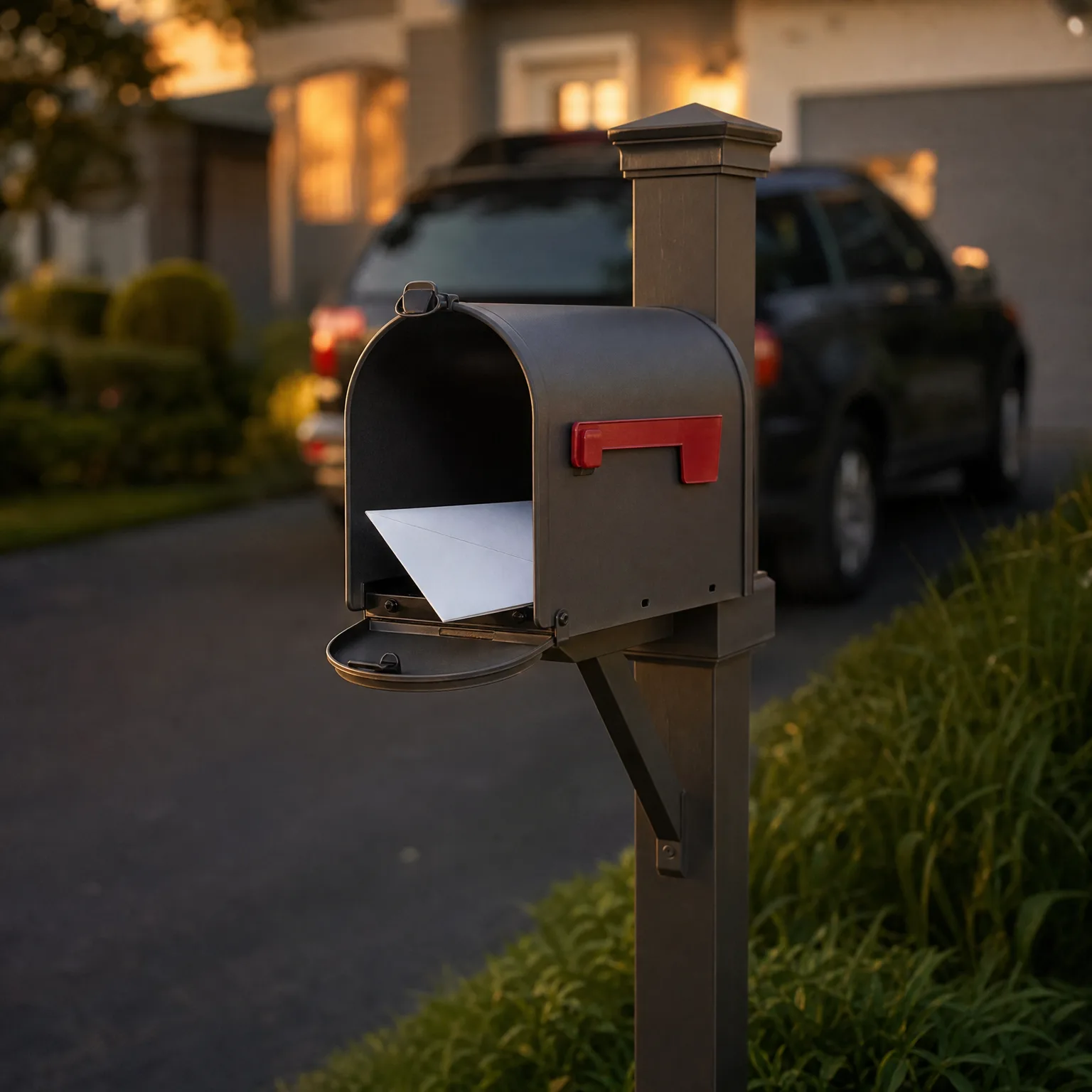
Property damage liability is structured as a per-accident limit, not a per-vehicle or per-item limit. If you slide through an intersection and hit two parked cars and a mailbox, all three claims pull from your $25,000 property damage coverage. The insurer pays valid claims in the order they are filed or negotiates a proportional settlement when total damage exceeds your limit.
This structure creates exposure for households with multiple drivers. Your $25,000 policy pays its limit, and you are personally liable for the remaining balance. The other drivers can pursue that balance through a lawsuit or a claim against your assets.
Raising your property damage limit to $50,000 or $100,000 per accident costs less than most drivers expect and eliminates the gap between the state minimum and the realistic cost of a multi-vehicle accident. Carriers writing in Maine — including Allstate, Geico, Progressive, State Farm, and USAA — offer higher limits as a standard option at quote time.
Maine's $25,000 property damage minimum does not stretch across multiple damaged vehicles in a single accident — you are personally liable for any amount above the limit.

Maine Does Not Require Collision or Comprehensive Coverage
Property damage liability covers damage you cause to others' property. It does not cover damage to your own vehicle — that is the job of collision and comprehensive coverage, neither of which Maine requires. If you finance or lease a vehicle, your lender will require both, but if you own your cars outright, the state does not mandate either.
Households with multiple vehicles often carry collision and comprehensive on newer or financed cars and drop both coverages on older paid-off vehicles. This is a valid strategy as long as you understand that property damage liability will not repair your own car after an at-fault accident. You either pay out of pocket or accept the loss.
The decision to carry collision and comprehensive on each vehicle in a multi-car household depends on each car's value and your ability to replace it without insurance.
16 carriers
Maine Auto Insurance Carriers
Maine has a competitive auto insurance market with 16 carriers writing policies in the state, including national carriers and regional specialists. Comparing quotes across multiple carriers is the most reliable way to find the best rate for your household's vehicles.

When to Raise Property Damage Limits Above the State Minimum
Raising your property damage limit makes sense when the cost of a realistic accident exceeds $25,000. Multi-vehicle households face this scenario more often than single-car households because more drivers and more vehicles on the road increase the statistical likelihood of a multi-vehicle accident.
Higher limits also protect your assets. If you own a home, have retirement savings, or carry other assets a lawsuit could reach, the gap between your policy limit and actual damage is a direct financial risk. Increasing property damage liability to $50,000 or $100,000 per accident closes that gap and costs less than the potential out-of-pocket exposure.
Compare Carriers That Write Multi-Vehicle Policies in Maine
Property damage liability is a required coverage, but the premium varies significantly by carrier, driver, and vehicle. Households insuring multiple vehicles should compare quotes from at least three carriers writing in Maine. Allstate, Geico, Progressive, State Farm, and USAA all write multi-vehicle policies and offer higher property damage limits as a standard option. Farmers, Nationwide, and Travelers also write in Maine and provide multi-car discounts that reduce the per-vehicle cost when you insure more than one car on the same policy.
When you request quotes, specify the property damage limit you want — $25,000, $50,000, or $100,000 per accident — and compare the premium difference. The cost to double your property damage limit is often less than the cost of one additional vehicle on the policy, and it eliminates the personal liability gap that the state minimum leaves open.
How Property Damage Liability Works Across Multiple Vehicles
Your insurer receives damage estimates from each claimant and evaluates them against your policy limit. If total valid claims are under $25,000, the insurer pays each in full. If claims exceed your limit, the insurer either negotiates a proportional settlement with all claimants or pays claims in the order received until the $25,000 is gone. You are then personally responsible for the unpaid balance, and claimants can file suit to recover it.
This is where higher limits become relevant for households insuring multiple vehicles. A family with three cars and two teenage drivers faces higher statistical exposure to multi-vehicle accidents. Increasing property damage liability to $50,000 or $100,000 per accident costs a modest additional premium but covers realistic repair costs when a single incident involves two or three damaged vehicles. Most carriers bundle higher property damage limits with bodily injury increases, offering a combined single limit or split-limit structure that raises both coverages together.
Get Your Free Quote
Get My Maine Car Insurance QuoteFrequently Asked Questions
Does Maine require property damage liability coverage?
Yes. Maine requires $25,000 in property damage liability coverage per accident on every registered vehicle. This coverage pays for damage your vehicle causes to someone else's car, fence, building, or other property. You cannot register or legally drive without it.
What does Maine's $25,000 property damage limit cover?
The $25,000 limit covers all property damage claims from a single accident. If you damage three parked cars in one incident, all three claims draw from the same $25,000 pool. You are personally liable for any amount above the limit.
Is property damage liability the same as collision coverage?
No. Property damage liability covers damage you cause to someone else's property. Collision coverage pays for damage to your own vehicle after an accident. Maine requires property damage liability but does not require collision coverage.
Should I raise my property damage limit above $25,000?
Raising your limit to $50,000 or $100,000 per accident makes sense if you want to avoid personal liability when a single accident damages multiple vehicles. The additional premium is modest, and higher limits protect your assets if total damage exceeds the state minimum.
Does the multi-car discount apply to property damage liability?
Yes. When you insure multiple vehicles on the same policy, most carriers apply a multi-car discount that reduces the per-vehicle cost of all coverages, including property damage liability. The discount typically requires every vehicle to sit on one policy.