
Minimum Car Insurance Requirements — Maine
Free to compare
What Maine Requires When You Insure Multiple Vehicles
You own two cars, or you're about to add a second vehicle to your household policy, and you need to know what Maine law actually requires you to carry. The answer is more specific than most carriers explain: Maine mandates $50,000 bodily injury per person, $100,000 bodily injury per accident, $25,000 property damage, plus personal injury protection and uninsured motorist coverage. Those last two are not optional — they are state requirements, and they apply to every policy written in Maine.
The confusion starts when you add a second or third vehicle. Most households assume that mandatory PIP and UM coverage stack per vehicle — that insuring three cars means paying for three separate PIP coverages. That is not how Maine structures the requirement. PIP and UM are per-policy coverages, not per-vehicle. One policy covering three cars carries one PIP coverage and one UM coverage, both of which extend to all vehicles and all household members on that policy. Understanding this structure is the difference between structuring your coverage correctly and paying for redundant protection you do not need.
“PIP and UM are per-policy coverages in Maine, not per-vehicle — one policy covering three cars carries one PIP coverage that extends to all vehicles and all household members.”

See What Maine Drivers Pay for the Coverage They Need
Get My Maine Car Insurance Quote$50,000 / $100,000 / $25,000
Maine Minimum Liability Limits
Bodily injury per person, bodily injury per accident, and property damage per accident. These are the statutory minimums required to register and legally operate a vehicle in Maine. Every vehicle on your policy must meet these limits.
Maine Bureau of Motor Vehicles
How PIP and Uninsured Motorist Coverage Work Across Multiple Cars
Personal injury protection covers medical expenses, lost wages, and essential services for you and your passengers after an accident, regardless of fault. Uninsured motorist coverage pays when the at-fault driver has no insurance or insufficient limits to cover your damages. Both are mandatory in Maine, and both are structured as per-policy coverages.
When you add a second vehicle to your policy, you are not buying a second PIP coverage or a second UM coverage. The single PIP coverage on your policy extends to every vehicle listed on that policy and to every household member, whether they are driving your car, a household member's car, or riding as a passenger. The same applies to UM coverage. This is the structural reality most households miss: the coverage follows the policy, not the individual vehicle.
The practical consequence: if you and your spouse each have separate single-car policies and you combine them into one two-car policy, you drop from two PIP coverages to one. That one PIP coverage now covers both of you, both cars, and any household member driving either vehicle. You are not losing protection — you are eliminating redundancy. The coverage was overlapping before; now it is consolidated.
Where this matters most is when a household member is injured in an accident. If three cars sit on three separate policies, three PIP coverages may apply to the same injury, creating coordination-of-benefits disputes and delayed claims. If those three cars sit on one policy, one PIP coverage applies cleanly, the claim processes faster, and the household pays one set of PIP premiums instead of three.
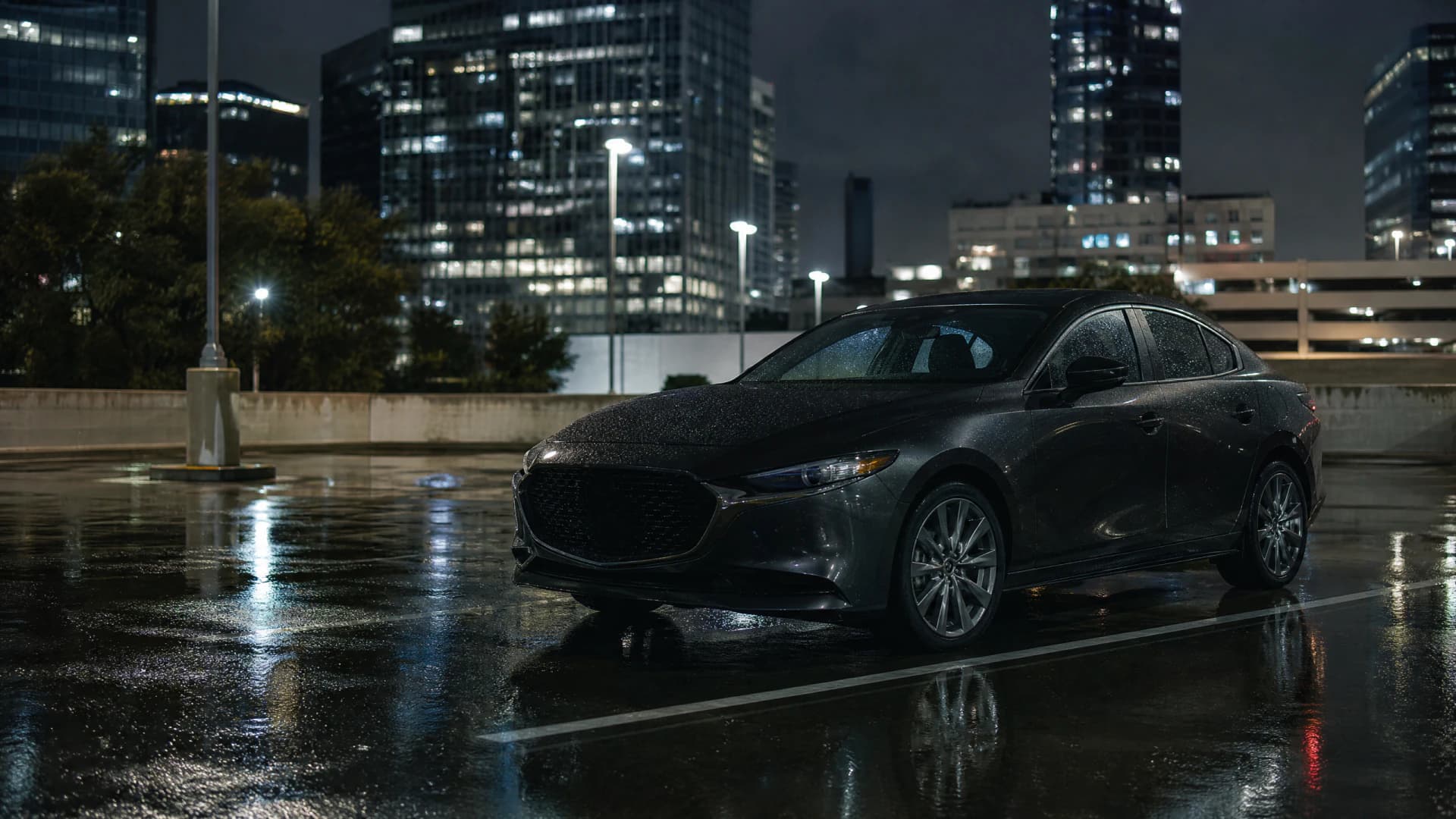
Maine PIP and UM coverage are per-policy, not per-vehicle. Adding a car to your existing policy does not add a second PIP or UM coverage — the existing coverage extends to the new vehicle automatically.
Related Articles






How Adding a Vehicle Changes Your Policy Structure
Adding a vehicle to an existing policy re-rates the entire policy, not just the new car. Your carrier recalculates the premium for every vehicle and every driver on the policy based on the new household risk profile. If the new vehicle is a high-theft model or the driver you are adding has a recent violation, the premium increase will exceed the cost of insuring just that one car in isolation. If the new vehicle is low-risk and you qualify for a multi-car discount, the per-vehicle cost may drop.
Maine carriers typically offer a multi-car discount when two or more vehicles sit on the same policy. The discount applies to the total policy premium, not to each vehicle individually. The size of the discount varies by carrier — some apply it as a percentage reduction, others as a flat per-vehicle credit — but the structural rule is the same: the discount requires every vehicle to be listed on one policy and usually requires all vehicles to be garaged at the same address. A vehicle titled to a household member but insured on a separate policy does not count toward the multi-car discount on your policy.
If you are combining two single-car policies into one two-car policy, request quotes from multiple carriers before you make the change. Some carriers price multi-car policies more competitively than others, and the carrier that offered the best rate for one car may not offer the best rate for two. The mandatory PIP and UM coverages are priced into every Maine policy, so compare the total policy premium, not just the liability portion.
5.7%
Maine Uninsured Motorist Rate
Approximately 5.7% of Maine motorists drive without insurance, below the national average. Mandatory uninsured motorist coverage protects you when one of those drivers causes an accident and cannot pay for your damages.
Insurance Research Council, 2023

When Full Coverage Makes Sense for a Multi-Car Household
Minimum coverage satisfies Maine law, but it does not cover damage to your own vehicles. If you finance or lease any vehicle on your policy, the lender requires collision and comprehensive coverage — together called full coverage — until the loan is paid off. If you own all your vehicles outright, full coverage is optional, but the decision depends on the combined value of the cars you are insuring and your ability to replace one out of pocket after a total loss.
For a household with two or three vehicles, the calculus is different than for a single-car household. The older car is insured for liability, PIP, and UM only — meeting Maine's requirements — while the newer car carries full coverage. This approach lowers your total premium without leaving you unprotected if the high-value vehicle is damaged or stolen.
Carriers Writing Multi-Car Policies in Maine
Fifteen major carriers write auto insurance in Maine, including Allstate, Geico, Progressive, State Farm, Nationwide, USAA, Travelers, and Farmers. Not all of them price multi-car policies the same way. Some carriers apply a larger multi-car discount but start with a higher base rate; others apply a smaller discount to a lower base rate. A smaller discount on a lower base rate can result in a lower total premium than a larger discount on a higher base.
When you request quotes, provide the same information to every carrier: the year, make, and model of each vehicle; the primary driver for each vehicle; the garaging address; and the coverage limits you want. If you plan to carry minimum coverage on one vehicle and full coverage on another, specify that in the quote request. The premium difference between carriers can be significant — sometimes 30% or more for the same household and the same coverage — so compare at least three quotes before you choose.

Compare Quotes for Your Household's Vehicles
Maine's mandatory PIP and UM requirements are the same across all carriers, but the way carriers price multi-car policies varies widely. The next step is to request quotes from carriers writing in Maine, provide the details for every vehicle and every driver in your household, and compare the total policy premium. Make sure every quote reflects the same liability limits, the same PIP and UM coverage, and the same collision and comprehensive elections so you are comparing equivalent policies. The carrier that prices your household best is the one that understands your specific risk profile — and that carrier is not always the one with the loudest advertising.
What Counts as Proof of Insurance in Maine
Your proof of insurance must display your name, the policy number, the vehicle identification number for each insured vehicle, the coverage effective dates, and the liability limits. If you carry your proof on your phone, the document must be readable and current — a screenshot of an expired policy or a carrier app login screen does not satisfy the requirement. Most carriers provide a digital insurance card through their app; that card is legally equivalent to the paper version as long as it displays the required information.
When you add a vehicle mid-term, your carrier updates the policy and issues a new proof-of-insurance document reflecting the added vehicle. You need that updated document before you register the new car. If you show up at the BMV with proof that does not list the new vehicle, registration will be denied. The same applies at a traffic stop: if the officer asks for proof and your document does not list the vehicle you are driving, you can be cited for operating without insurance even if the vehicle is covered. Keep the updated proof in every vehicle or accessible on your phone for every driver in the household.
Get Your Free Quote
Get My Maine Car Insurance QuoteFrequently Asked Questions
Does Maine require insurance on every vehicle I own?
Yes. Every vehicle registered in Maine must be covered by a policy that meets the state's minimum liability limits plus PIP and uninsured motorist coverage. You can insure multiple vehicles on one policy or on separate policies, but each vehicle must be listed on an active policy to remain registered.
Can I insure two cars on the same policy if they are garaged at different addresses?
Most Maine carriers require all vehicles on a multi-car policy to be garaged at the same address to qualify for the multi-car discount. If two vehicles are garaged at different addresses — for example, one at your primary residence and one at a vacation property — some carriers will still write them on one policy but may not apply the discount. Check with your carrier before adding a vehicle garaged elsewhere.
What happens if I add a vehicle mid-term to my existing policy?
Your carrier re-rates the entire policy when you add a vehicle, recalculating the premium for every vehicle and driver based on the new household risk profile. You will receive an updated proof-of-insurance document listing the new vehicle, and your premium will adjust for the remainder of the term. Most carriers provide a grace period — typically 14 to 30 days — during which a newly acquired vehicle is automatically covered under your existing policy, but you must report the addition within that window to maintain coverage.
Do I need separate PIP coverage for each car on my policy?
No. PIP is a per-policy coverage in Maine, not a per-vehicle coverage. One PIP coverage on your policy extends to every vehicle listed on that policy and to every household member, whether they are driving, riding as a passenger, or injured as a pedestrian. Adding a second or third car does not require a second PIP coverage.
Can I drop collision coverage on one car and keep it on another?
Yes. If you own multiple vehicles outright, you can structure coverage differently for each vehicle on the same policy. A common approach is to carry full coverage on a newer, higher-value vehicle and minimum coverage on an older, lower-value vehicle. Every vehicle on the policy must still meet Maine's mandatory liability, PIP, and UM requirements.
How does the multi-car discount work in Maine?
The multi-car discount applies when two or more vehicles are insured on the same policy. The discount is calculated as a percentage reduction or a flat credit applied to the total policy premium, not to each vehicle individually. The size of the discount varies by carrier, and most carriers require all vehicles to be garaged at the same address to qualify.