
Uninsured Motorist Coverage — Maine
Free to compare
What Uninsured Motorist Coverage Actually Pays
Uninsured motorist coverage pays your medical bills, lost wages, and pain-and-suffering damages when you're injured by a driver who has no liability insurance, carries less than Maine's minimum $50,000 per person / $100,000 per accident bodily injury limits, or flees the scene. Maine law requires every auto insurance policy to include uninsured motorist bodily injury coverage at limits matching your liability coverage unless you reject it in writing.
The coverage applies in three scenarios: the at-fault driver has no insurance at all, the at-fault driver's liability limits are exhausted before your damages are fully paid, or the at-fault driver cannot be identified after a hit-and-run. You file the claim with your own carrier, not the other driver's insurer. Your carrier steps into the role the at-fault driver's liability policy should have filled.
“Hit-and-run crashes trigger uninsured motorist coverage even when the at-fault driver is never identified.”

See What Maine Drivers Pay for the Coverage They Need
Get My Maine Car Insurance Quote5.7%
Maine Uninsured Motorist Rate
One in eighteen Maine drivers operates without insurance. When an uninsured driver causes a crash, uninsured motorist coverage is the only source of compensation for your injuries unless you sue the driver personally and collect a judgment.
Insurance Research Council, 2023
Uninsured Versus Underinsured: Two Parts of the Same Mandate
Maine's uninsured motorist requirement includes both uninsured and underinsured motorist protection. Uninsured motorist coverage applies when the at-fault driver has zero insurance or cannot be identified. Underinsured motorist coverage applies when the at-fault driver carries liability insurance but their limits are too low to cover your damages.
The two coverages work in sequence: the at-fault driver's liability exhausts first, then your underinsured motorist coverage fills the gap.
Most carriers sell uninsured and underinsured motorist coverage as a single combined limit. You select one bodily injury limit — typically matching your liability limit — and it applies to both scenarios. A small number of carriers offer separate uninsured and underinsured limits, but combined coverage is standard in Maine.
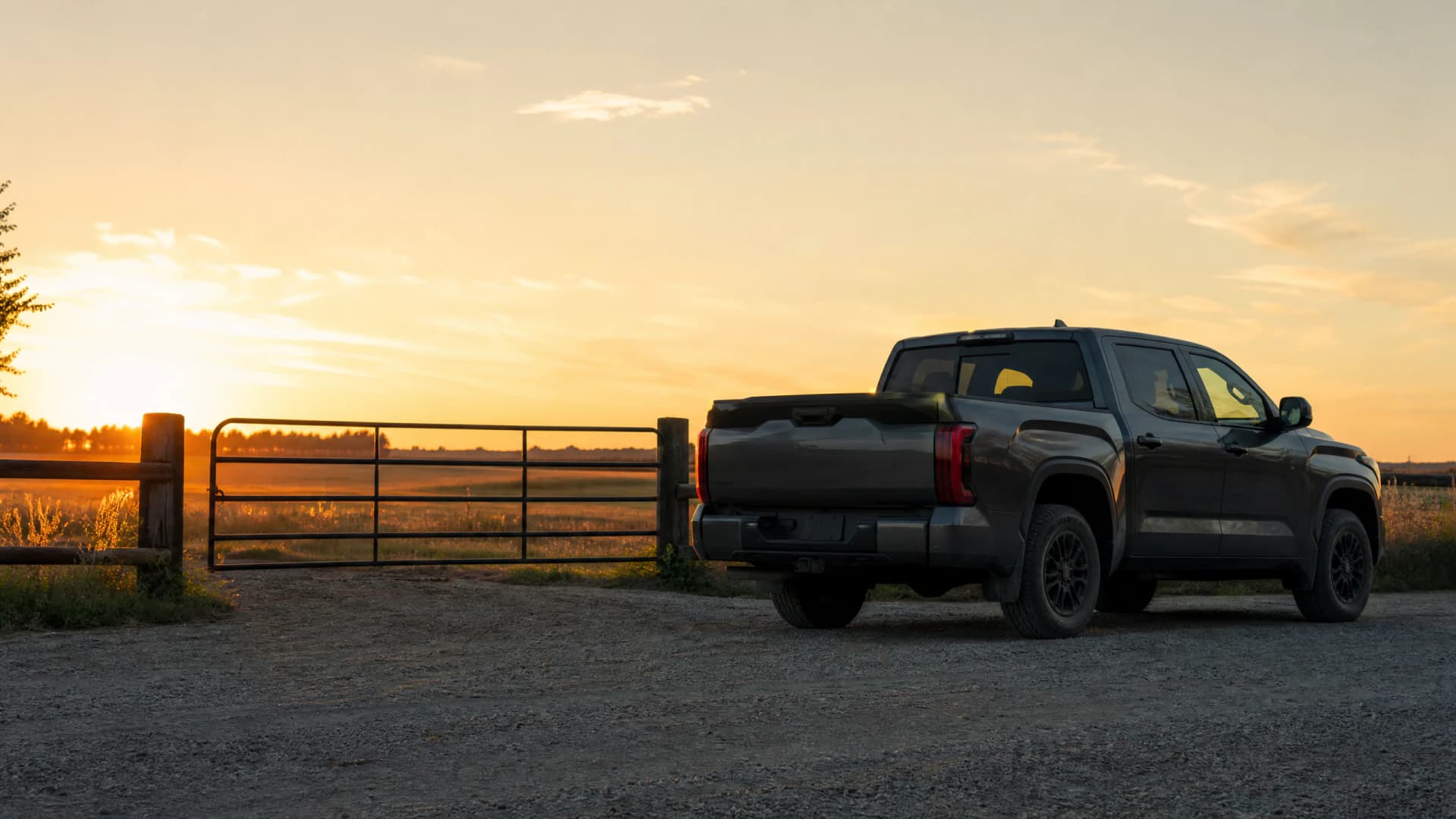
Hit-and-run crashes trigger uninsured motorist coverage even when the at-fault driver is never identified. You file with your own carrier, not the phantom driver's insurer.
Related Articles






How Claims Work When the At-Fault Driver Has No Insurance
You file an uninsured motorist claim with your own carrier, not the at-fault driver's insurer. Provide the police report, medical records, and documentation of lost wages. Your carrier investigates fault and damages the same way the at-fault driver's liability insurer would have. If your carrier disputes fault or the value of your claim, you negotiate with your own insurer, not the other driver.
Maine law allows your carrier to pursue reimbursement from the uninsured driver after paying your claim. This process — called subrogation — does not affect your coverage or your claim payment. Your carrier may sue the at-fault driver to recover what it paid you, but that lawsuit is separate from your claim. You receive your claim payment regardless of whether your carrier collects from the at-fault driver.
Uninsured motorist claims can take longer than liability claims because your carrier must verify that the at-fault driver truly has no insurance. Carriers check state databases and contact the at-fault driver's registered address before accepting an uninsured motorist claim. Hit-and-run claims require a police report filed within a reasonable time after the crash, typically within 24 to 72 hours depending on your policy's terms.
$50,000 / $100,000
Maine Minimum Liability Limits
Maine requires $50,000 per person and $100,000 per accident bodily injury liability coverage. Your uninsured motorist coverage defaults to these same limits unless you select higher liability limits, in which case your uninsured motorist limits match.
Maine Bureau of Insurance

Selecting Uninsured Motorist Limits Above the Minimum
Maine law sets your uninsured motorist limits equal to your liability limits unless you request lower uninsured motorist coverage in writing. Raising your liability limits automatically raises your uninsured motorist limits unless you reject the increase.
Carriers writing in Maine — including Geico, Progressive, State Farm, Allstate, and Travelers — allow you to reduce your uninsured motorist limits below your liability limits or reject uninsured motorist coverage entirely by signing a written rejection form. Rejecting the coverage or selecting lower limits reduces your premium but eliminates your protection against uninsured and underinsured drivers. With 5.7% of Maine drivers uninsured, most households keep uninsured motorist coverage at limits matching their liability coverage.
Compare Carriers Writing Uninsured Motorist Coverage in Maine
Every carrier licensed to write auto insurance in Maine must offer uninsured motorist coverage at limits matching your liability coverage. Sixteen carriers write policies in Maine, including national carriers and regional specialists. Carriers differ in how they handle underinsured motorist claims, whether they offer uninsured motorist property damage as an add-on, and how they price uninsured motorist coverage relative to liability coverage.
Request quotes from at least three carriers writing in Maine. Compare the uninsured motorist limits each carrier offers, the cost to raise those limits above the state minimum, and whether the carrier includes uninsured motorist property damage or sells it separately. Confirm that your uninsured motorist limits match your liability limits unless you have a specific reason to carry lower uninsured motorist coverage.
What Uninsured Motorist Coverage Does Not Pay
Uninsured motorist bodily injury coverage pays only for injuries: medical bills, lost wages, rehabilitation costs, and pain-and-suffering damages. It does not pay to repair or replace your vehicle after a crash with an uninsured driver. Vehicle damage caused by an uninsured driver is covered by collision coverage if you carry it, or by uninsured motorist property damage coverage if your policy includes it. Maine does not require uninsured motorist property damage coverage, and many carriers do not offer it as a standalone option.
Uninsured motorist coverage applies only when the other driver is at fault. If you cause the crash, your own liability coverage pays the other driver's injuries and your collision coverage pays your vehicle damage. Uninsured motorist coverage does not respond to crashes you cause, even if the other driver also lacks insurance. The coverage exists to fill the gap left by an at-fault driver's missing or inadequate liability policy, not to replace your own liability or collision coverage.
Get Your Free Quote
Get My Maine Car Insurance QuoteFrequently Asked Questions
Does uninsured motorist coverage pay for vehicle damage in Maine?
Uninsured motorist bodily injury coverage does not pay for vehicle damage. Vehicle damage caused by an uninsured driver is covered by collision coverage if you carry it, or by uninsured motorist property damage coverage if your policy includes it. Maine does not require uninsured motorist property damage coverage.
Can I reject uninsured motorist coverage in Maine?
Yes. Maine allows you to reject uninsured motorist coverage or select limits lower than your liability limits by signing a written rejection form provided by your carrier. Rejecting the coverage eliminates your protection against uninsured and underinsured drivers.
What happens if the at-fault driver's insurance is too low to cover my injuries?
Your underinsured motorist coverage pays the difference between the at-fault driver's liability limit and your total damages, up to your own uninsured motorist limit. The at-fault driver's liability policy pays first, then your underinsured motorist coverage fills the gap.
Do I file an uninsured motorist claim with my own carrier or the other driver's insurer?
You file the claim with your own carrier. Your carrier investigates fault and damages the same way the at-fault driver's liability insurer would have. If the at-fault driver has no insurance or cannot be identified, your carrier is the only source of compensation.
Does uninsured motorist coverage apply to hit-and-run crashes?
Yes. Uninsured motorist coverage applies when the at-fault driver cannot be identified after a hit-and-run. You must file a police report within the time frame specified in your policy, typically within 24 to 72 hours after the crash.
What uninsured motorist limits should I carry in Maine?
Most households carry uninsured motorist limits matching their liability limits. Maine law sets your uninsured motorist limits equal to your liability limits unless you request lower coverage in writing. With 5.7% of Maine drivers uninsured, matching limits provide the most protection.