
No-Fault Car Insurance — Maine
Free to compare
Maine Requires PIP But Allows Most Lawsuits
You bought a policy in Maine and noticed the Personal Injury Protection line item. A friend told you Maine is a no-fault state, so you assumed that meant you cannot be sued after a crash. That assumption is wrong. Maine requires PIP coverage on every auto policy, but the state operates a hybrid no-fault system that preserves your right to sue the at-fault driver in most collisions.
The confusion stems from the term no-fault itself. In a pure no-fault state, your own PIP coverage pays your medical bills and lost wages regardless of who caused the crash, and you cannot sue the other driver unless injuries meet a statutory threshold. Maine uses PIP the same way — your own policy pays first — but Maine does not restrict your ability to file a tort claim. You can sue for pain and suffering, property damage beyond what your collision coverage pays, and any economic loss that exceeds your PIP limit. The at-fault driver's liability coverage is still on the hook.
“Maine PIP pays your medical bills first, but the state allows tort claims in most crashes, making liability limits critical.”

See What Maine Drivers Pay for the Coverage They Need
Get My Maine Car Insurance Quote$50,000 / $100,000 / $25,000
Maine Minimum Liability Limits
Maine requires $50,000 bodily injury per person, $100,000 bodily injury per accident, and $25,000 property damage. These limits defend you when another driver sues after a crash you caused, even though your own PIP pays your medical bills first.
Maine Bureau of Insurance
How PIP Works in a Hybrid No-Fault State
Personal Injury Protection pays your medical expenses and a portion of lost wages after a crash, regardless of fault. Maine law requires every auto policy to include PIP coverage. When you are injured in a collision, your own PIP coverage pays first, up to the policy limit you selected. This first-party payment structure is the no-fault component: you file a claim with your own carrier, not the other driver's.
The hybrid element appears when damages exceed your PIP limit or when you want to recover non-economic losses. Maine does not impose a verbal threshold or a monetary threshold that bars tort claims. If the other driver caused the crash, you can sue for pain and suffering, for medical bills that exceed your PIP limit, for lost wages beyond what PIP covers, and for property damage. The at-fault driver's bodily injury liability coverage defends that claim.
This structure means liability coverage remains critical even though PIP pays first. If you cause a crash and injure another driver, that driver's PIP pays their initial medical bills, but they can still sue you for damages beyond what PIP covers. Your bodily injury liability limit is the only defense against that claim. Carrying only the state minimum — $50,000 per person, $100,000 per accident — leaves you personally liable for any judgment above those limits.
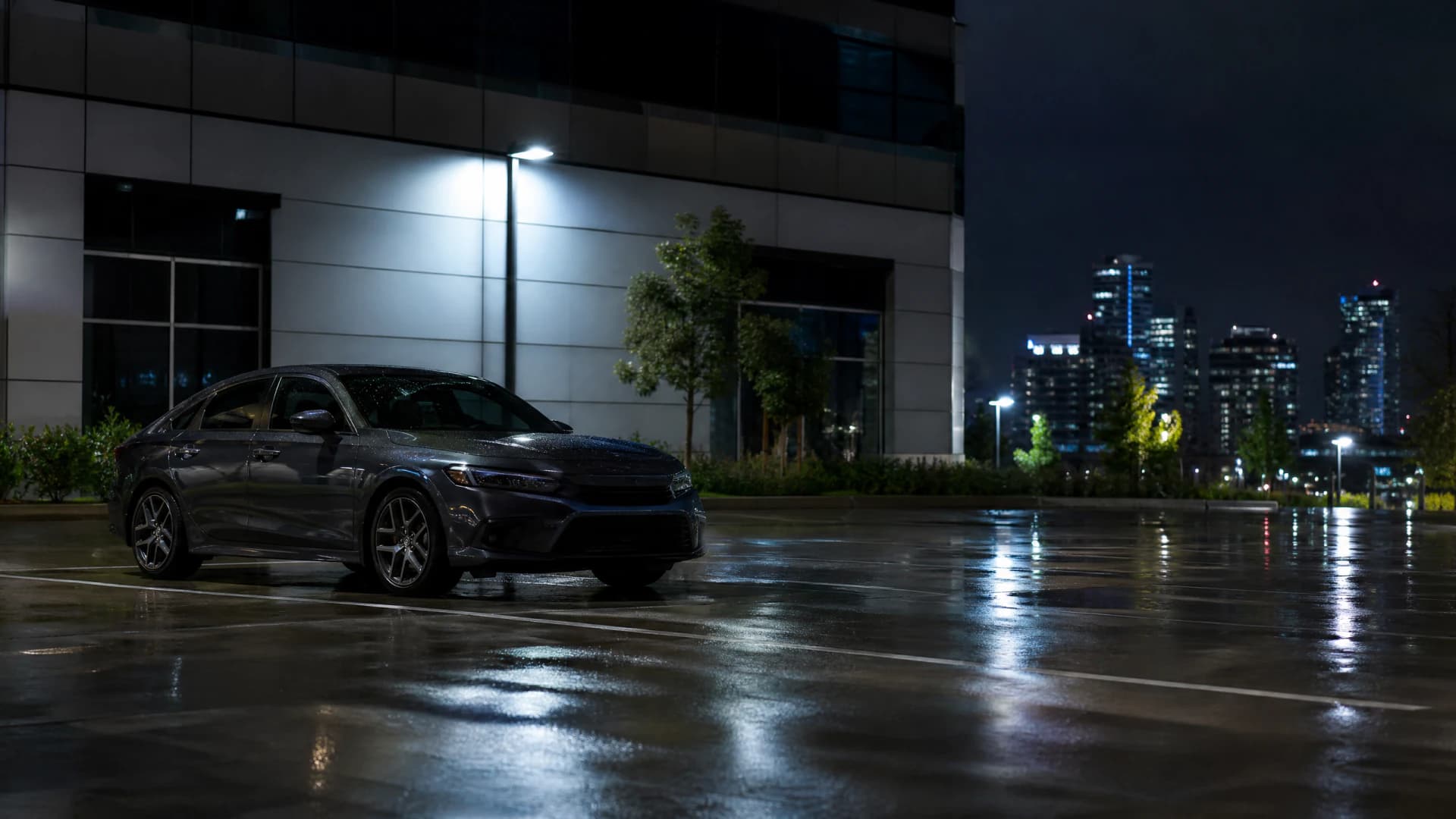
Maine PIP pays your medical bills first, but it does not stop the other driver from suing you for damages beyond what their PIP covers.



Why Liability Limits Matter More Than Drivers Expect
Drivers who hear Maine is a no-fault state sometimes assume minimum liability limits are sufficient because PIP will handle most claims. That logic fails when you cause a serious crash. The other driver's PIP pays their initial medical bills, but if those bills exceed their PIP limit or if they suffer permanent injury, they sue you. Your bodily injury liability limit is the only coverage defending that lawsuit.
Maine's minimum liability requirement is $50,000 per person and $100,000 per accident. Your liability policy pays the first $50,000. You pay the rest out of pocket unless you carry higher limits.
Households insuring multiple vehicles face compounded exposure. If one household member causes a crash while driving any vehicle on the policy, the liability limit applies per occurrence, not per vehicle. A two-car household with minimum limits on both vehicles does not gain additional protection — the $100,000 per-accident cap applies to the single crash, regardless of how many cars sit on the policy.
5.7%
Maine Uninsured Motorist Rate
Approximately 5.7 percent of Maine drivers carry no insurance. When an uninsured driver causes a crash, your uninsured motorist coverage pays claims your own PIP does not cover, including pain and suffering and wage loss beyond the PIP cap.
Insurance Research Council, 2023

Uninsured Motorist Coverage Fills the Gap PIP Leaves
Maine requires uninsured motorist coverage on every policy unless you reject it in writing. This coverage pays when the at-fault driver carries no insurance or when a hit-and-run driver flees the scene. Uninsured motorist bodily injury coverage pays medical bills that exceed your PIP limit, lost wages beyond what PIP covers, and pain and suffering — the same damages you would recover by suing an insured at-fault driver.
The interaction between PIP and uninsured motorist coverage is straightforward: your PIP pays first up to its limit, then your uninsured motorist coverage pays the remaining economic and non-economic losses up to the uninsured motorist limit you selected. Without uninsured motorist coverage, you would sue the at-fault driver personally — a process that rarely recovers meaningful damages because uninsured drivers typically lack assets.
Compare Carriers That Write Multi-Vehicle Policies in Maine
Households insuring two or more vehicles in Maine need carriers that write adequate liability limits, offer PIP limits above the minimum, and provide uninsured motorist coverage at limits that match liability. Not every carrier writes policies for multi-vehicle households at competitive rates, and not every carrier offers the same PIP and uninsured motorist options. Fifteen carriers write auto insurance in Maine and file coverage with the Bureau of Motor Vehicles, including Allstate, Geico, Progressive, State Farm, and USAA. Each carrier prices liability, PIP, and uninsured motorist coverage differently based on household vehicle count, driver ages, and garaging location.
The site's comparison tool connects you with carriers licensed in Maine that write multi-vehicle policies. Enter your household's vehicle count, driver details, and coverage preferences. The tool returns quotes from carriers writing in your county, with liability limits, PIP options, and uninsured motorist coverage displayed side by side. Compare the total premium for all vehicles on one policy, not the per-vehicle rate — multi-vehicle discounts apply at the policy level, and the discount structure varies by carrier.
What PIP Covers and What It Does Not
The coverage applies to you, household members driving your vehicle, passengers in your vehicle, and pedestrians struck by your vehicle. PIP does not cover property damage to your car or the other vehicle — collision and property damage liability handle those losses.
PIP also does not cover pain and suffering, emotional distress, or punitive damages. Those non-economic losses are recoverable only through a tort claim against the at-fault driver. When your PIP limit is exhausted — most policies carry a $50,000 PIP limit, though higher limits are available — any remaining medical bills and wage loss become part of the tort claim. The at-fault driver's bodily injury liability coverage pays that claim if the driver carries adequate limits.
Get Your Free Quote
Get My Maine Car Insurance QuoteFrequently Asked Questions
Does Maine require no-fault insurance?
Maine requires Personal Injury Protection on every auto policy, which is a no-fault coverage. However, Maine operates a hybrid system that allows you to sue the at-fault driver for damages beyond what PIP covers, including pain and suffering and medical bills that exceed your PIP limit.
Can I sue after a car accident in Maine?
Yes. Maine does not impose a threshold that restricts tort claims. If another driver causes a crash, you can sue for pain and suffering, for medical expenses beyond what your PIP pays, and for property damage. The at-fault driver's liability coverage defends that claim.
What does PIP cover in Maine?
It does not cover property damage, pain and suffering, or punitive damages.
What happens if the other driver has no insurance in Maine?
Your uninsured motorist coverage pays medical bills that exceed your PIP limit, lost wages beyond what PIP covers, and pain and suffering. Maine requires uninsured motorist coverage on every policy unless you reject it in writing.
Do I need higher liability limits if Maine has no-fault insurance?
Yes. Maine's hybrid no-fault system allows injured drivers to sue you for damages beyond what their PIP covers. If you cause a serious crash, the other driver's claim can exceed the state minimum liability limits of $50,000 per person and $100,000 per accident, leaving you personally liable for the difference.
How does PIP work with multiple cars on one policy in Maine?
PIP applies per person injured in a crash, not per vehicle. If you insure three vehicles on one policy and cause a crash while driving any of them, your liability and PIP limits apply to that single occurrence. Adding vehicles does not increase your per-accident liability cap.