Non-Owner Car Insurance — Maine
Non-owner car insurance provides liability coverage when you drive a car you don't own — a rental, borrowed vehicle, or car-sharing service.
Free to compare
What Is Non-Owner Car Insurance Insurance?
Non-owner car insurance is a liability-only policy designed for drivers who don't own a vehicle but need continuous coverage. It pays for injuries and property damage you cause while driving someone else's car, a rental, or a car-share vehicle. The policy follows you, not a specific vehicle, so it applies regardless of which car you're driving. It satisfies Maine's financial responsibility requirement and prevents coverage gaps that can raise future premiums.
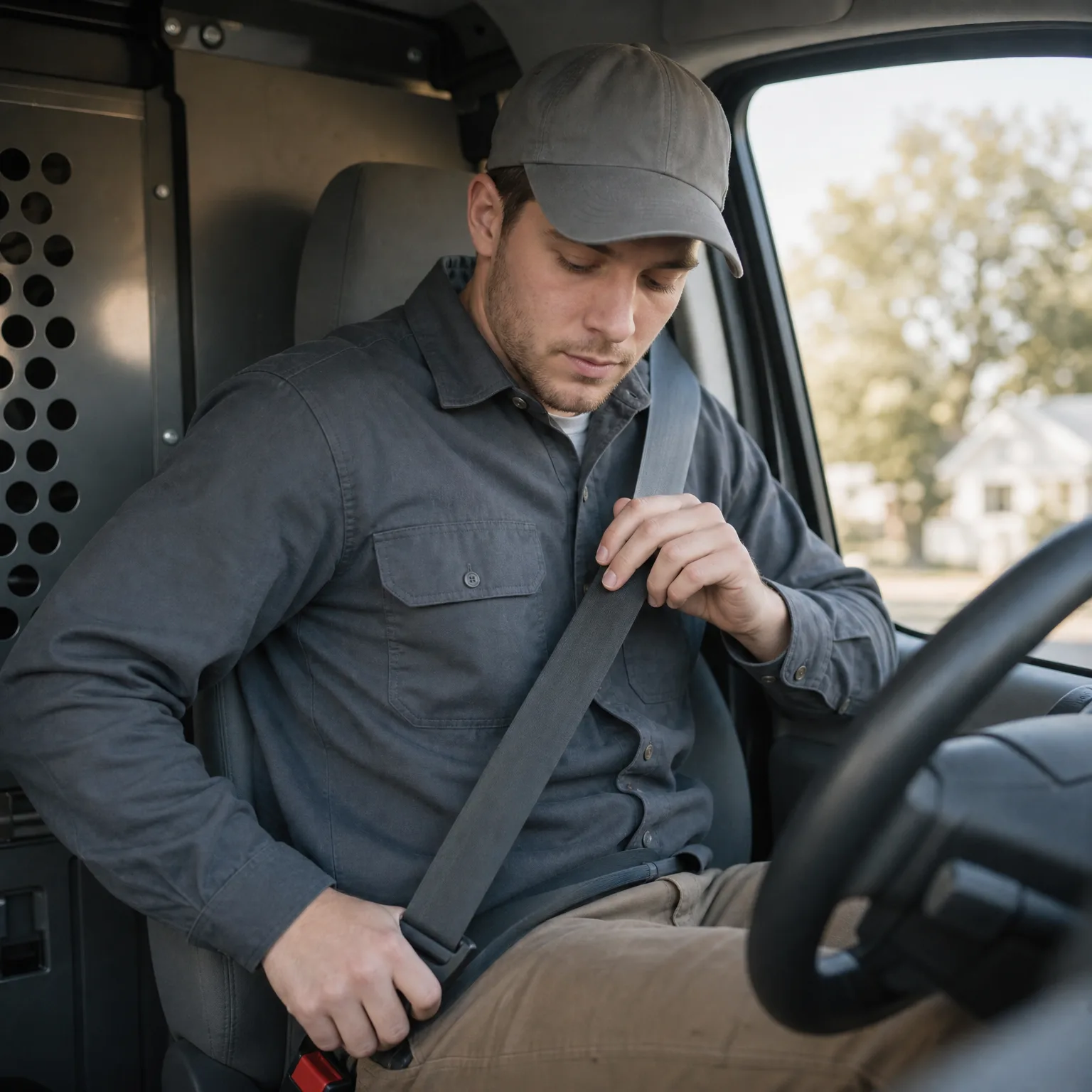
Who Needs Non-Owner Car Insurance Insurance?
Non-owner insurance makes sense if you drive borrowed cars regularly, rent vehicles frequently without relying on rental counter insurance, use car-sharing services multiple times per month, or need continuous coverage to avoid a gap that raises future premiums. It's essential if Maine requires you to file SR-22 proof of insurance but you don't own a vehicle — non-owner SR-22 policies satisfy the state's filing requirement.
Calculate how often you drive vehicles you don't own and compare the annual non-owner premium to the cost of purchasing rental counter insurance or relying on others' policies each time. If you drive more than six times per year, non-owner coverage typically costs less and provides consistent protection. If Maine requires SR-22 filing and you don't own a car, non-owner insurance is your only compliant option.
How Much Does Non-Owner Car Insurance Insurance Cost?
- Your driving record — violations, accidents, and license suspensions increase premiums because you represent higher liability risk even without owning a vehicle.
- Coverage limits you select — Maine's minimum liability limits cost less than higher limits, but inadequate coverage leaves you personally liable for damages exceeding your policy.
- How frequently you drive — carriers assess risk based on whether you drive occasionally or multiple times per week, even if you don't own a car.
- Your age and insurance history — drivers under 25 or those with coverage gaps pay higher rates due to statistically higher claim frequency.