
Collision Coverage for Multiple Vehicles — Maine
Free to compare
The Multi-Car Collision Question
You added a second or third car to your Maine policy and the carrier quoted collision on every vehicle at the same deductible. The premium jumped more than you expected. You're wondering whether you need collision on all of them, or whether you can drop it from the older car and keep it on the newer one without creating a coverage gap.
The structural reality: collision is optional in Maine, and you control it vehicle by vehicle on the same policy. The multi-car discount applies to the policy as a whole, but collision coverage is a per-vehicle decision. Matching collision to each car's value and role is how households with multiple vehicles avoid overpaying for coverage that delivers diminishing returns as a car ages.
“Collision premium on an older car can exceed the car's value within two claim cycles, turning coverage into a net loss.”

See What Maine Drivers Pay for the Coverage They Need
Get My Maine Car Insurance Quote1,294,286
Maine Registered Vehicles
Maine households manage over 1.2 million registered vehicles, many on multi-car policies where collision decisions compound across the fleet. Structuring coverage by vehicle rather than applying a blanket rule to every car is the difference between efficient coverage and premium waste.
Maine BMV registration data, 2022
What Collision Covers on a Multi-Car Policy
Collision pays to repair or replace your car after a crash with another vehicle or object, regardless of fault. You choose a deductible when you add it. The carrier pays the actual cash value of the car minus your deductible, up to the damage amount.
On a multi-car policy, collision is priced and applied per vehicle. A 2023 sedan and a 2015 hatchback on the same policy can carry different collision deductibles or different collision elections entirely. The multi-car discount reduces the base premium, but collision cost still scales with each car's value and risk profile.
Maine requires minimum liability coverage of $50,000 per person and $100,000 per accident for bodily injury, plus $25,000 for property damage. Collision is not part of that minimum. You can legally drive without it. The question is whether dropping it from one or more vehicles in your household creates financial exposure you cannot absorb.
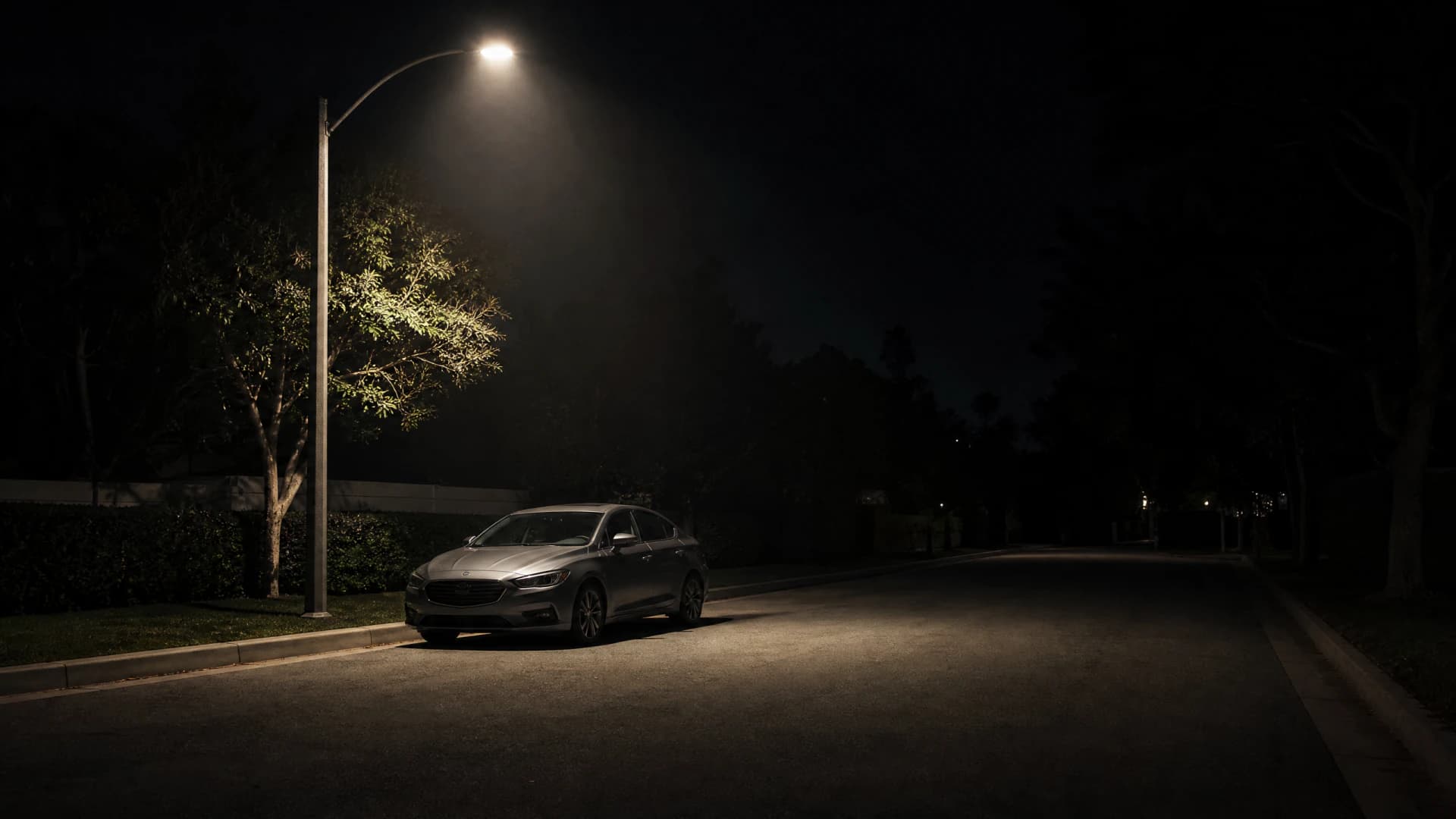
Collision premium on an older car can exceed the car's actual cash value within two claim cycles, turning coverage into a net loss.
Related Articles






Deductible Choices and Multi-Vehicle Households
A lower deductible raises the premium; a higher deductible lowers it. On a multi-car policy, you can assign different deductibles to different vehicles.
A common structure: carry a $500 deductible on the newer car you drive daily and a $1,000 deductible on the older car you use occasionally. The higher deductible on the older car cuts premium, and the lower deductible on the newer car keeps out-of-pocket costs manageable if you file a claim on the vehicle you depend on most.
Some households drop collision entirely from a third or fourth vehicle that sits parked most of the year. A classic car, a backup vehicle, or a car driven fewer than 2,000 miles annually may not justify collision premium. Liability and comprehensive remain in place to cover theft, vandalism, and third-party damage, but collision disappears from the policy for that vehicle.
$1,749.22
Maine Average Annual Auto Expenditure
Maine drivers spent an average of $1,749.22 per insured vehicle in 2023. Multi-car households managing two or three vehicles face compounded premium decisions. Structuring collision by vehicle rather than carrying identical coverage across the fleet is one of the largest levers for controlling total household cost.
NAIC Auto Insurance Database Report, 2023

When Dropping Collision Creates Risk
Dropping collision shifts repair cost to you. If you crash an older car and the damage exceeds what you can pay out of pocket, you either absorb the loss or drive an unrepaired vehicle. That calculation depends on the car's role in your household.
A second car used for daily commuting by another household member is harder to replace than a third car used once a month. If losing that car disrupts your household's transportation, collision may be worth keeping even on an older vehicle. If the car is redundant and you can absorb its loss without financial strain, dropping collision makes sense.
Compare Carriers for Multi-Car Collision Rates
Collision pricing varies by carrier. Some carriers price collision more aggressively on multi-car policies; others apply the multi-car discount to liability but not to physical damage coverage. The only way to know which structure costs less for your specific fleet is to compare quotes with collision structured the way you plan to carry it.
When you request quotes, specify which vehicles will carry collision and at what deductible. A quote with collision on every car is not comparable to a quote with collision on two of three vehicles. Carriers writing multi-car policies in Maine include State Farm, Geico, Progressive, Allstate, and Hanover. Request quotes from at least three carriers with your exact vehicle roster and collision elections to see where your household's structure prices best.
Structuring Collision Across Your Fleet
Newer vehicles financed or leased almost always require collision as a loan condition. The lender holds a lien on the title and mandates coverage until the loan is satisfied. Dropping collision on a financed car violates the loan agreement and triggers forced-place insurance at a higher cost. Owned vehicles carry no such requirement. Once the title is clear, collision becomes optional.
Older vehicles owned outright are candidates for dropping collision when the annual premium approaches or exceeds the car's actual cash value. A rule of thumb: if collision premium is more than 10 percent of the car's current market value, the coverage may cost more than it can ever pay back. Two years of premiums equals the net payout.
Get Your Free Quote
Get My Maine Car Insurance QuoteFrequently Asked Questions
Can I drop collision on one car and keep it on another on the same Maine policy?
Yes. Collision is elected per vehicle on a multi-car policy. You can carry collision on your newer car and drop it from an older one. The multi-car discount applies to the policy as a whole regardless of which vehicles carry collision.
Does dropping collision affect my multi-car discount in Maine?
No. The multi-car discount applies because you insure multiple vehicles on one policy. Collision is a separate coverage decision per vehicle and does not change the discount eligibility.
What happens if I finance a car and drop collision in Maine?
Dropping collision on a financed or leased vehicle violates the loan agreement. The lender will place forced coverage on the car at a higher cost and bill you for it. Collision is optional only on vehicles you own outright.
How do I know if collision is worth keeping on an older car?
Compare the annual collision premium to the car's actual cash value. If the premium exceeds 10 percent of the car's value, or if two years of premiums approach the car's total worth, collision may cost more than it can pay back in a claim.
Can I use different collision deductibles on different cars in Maine?
Yes. You can assign a $500 deductible to one vehicle and a $1,000 deductible to another on the same policy. Structuring deductibles by vehicle use and value is common in multi-car households.