
Roadside Assistance on Multi-Car Policies — Maine
Free to compare
Why One Roadside Add Covers One Car
You added roadside assistance to your Maine auto policy and assumed every vehicle on the policy now has towing and lockout coverage. That assumption is wrong for most carriers. Roadside assistance is a per-vehicle endorsement: you pay for it on each car individually, and the coverage follows the vehicle you named, not the policy as a whole.
This structure surprises households with three or four cars who expected one flat fee to cover the entire fleet. The multi-car discount applies to your liability and collision premiums, but roadside assistance sits outside that frame. Each vehicle needs its own roadside line item, and the cost stacks.
“Roadside assistance is a per-vehicle endorsement: you pay for it on each car individually, and the coverage follows the vehicle you named.”

See What Maine Drivers Pay for the Coverage They Need
Get My Maine Car Insurance Quote$50,000 / $100,000 / $25,000
Maine Minimum Liability Limits
Maine requires $50,000 bodily injury per person, $100,000 per accident, and $25,000 property damage. These minimums apply to every vehicle on your policy, but roadside assistance is optional and priced separately per car.
Maine Bureau of Motor Vehicles
How Carriers Price Roadside Per Vehicle
Carriers structure roadside assistance as a per-vehicle endorsement because the risk and service cost attach to the specific car, not to the policyholder. A household with a 2015 sedan and a 2022 truck pays the same per-vehicle roadside rate for each, even though the truck is newer and the sedan older. The carrier does not discount the second or third vehicle's roadside fee the way it discounts collision or liability premiums under the multi-car structure.
Some carriers offer a flat per-vehicle rate regardless of how many cars you insure. Others tier the cost by vehicle type or value, charging more for trucks or luxury models. A few carriers bundle roadside into a package endorsement that includes rental reimbursement and gap coverage, but the package still prices per vehicle, not per policy.
If you insure four vehicles and add roadside to all four, you pay four separate endorsement fees. The multi-car discount reduces your base liability and collision premiums, but it does not touch the roadside line. The two pricing structures run parallel.
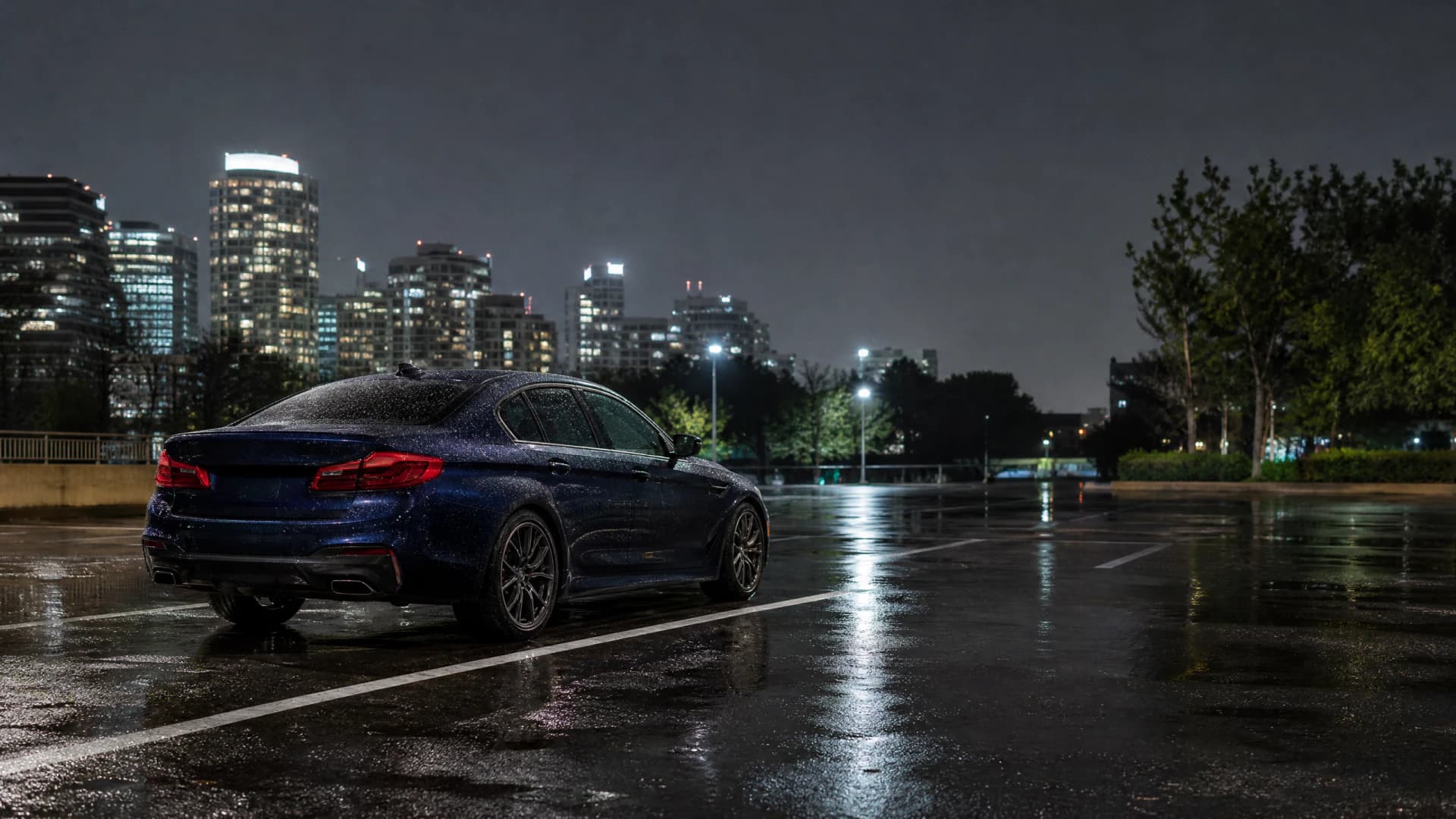
Adding roadside to one vehicle on a multi-car policy leaves your other cars without towing or lockout coverage, even though they sit on the same policy.
Related Articles


Comparing Carrier Roadside to Standalone Memberships
Carrier roadside assistance and standalone memberships like AAA differ in two structural ways: coverage follows the vehicle versus coverage follows the member, and per-incident limits versus unlimited service calls. Carrier roadside covers the specific vehicle you named on the endorsement, regardless of who is driving it. If your teenager borrows your car and locks the keys inside, the carrier's roadside benefit applies because the car is covered. AAA and similar memberships cover the member in any car they are driving or riding in, but not other household drivers unless they hold their own membership.
Per-incident towing limits matter for multi-car households. Most carrier roadside endorsements cap towing at 15 to 25 miles per incident and limit the number of service calls per year, often three to five. AAA and Better World Club offer higher per-tow mileage limits and unlimited calls under most membership tiers. A household with four cars and four drivers may hit the carrier's annual call limit faster than a household with one or two vehicles, making a standalone membership more cost-effective once you account for the per-vehicle endorsement fees stacking up.
Some households run both: carrier roadside on the daily drivers for convenience at claim time, and one AAA membership for the primary driver who handles breakdowns for the rarely-driven vehicles. That structure avoids paying four separate carrier endorsements while still covering the cars driven most.
16
Carriers Writing Maine Auto Policies
Sixteen carriers write auto insurance in Maine, including Geico, Progressive, State Farm, and Allstate. Each prices roadside assistance differently, and some bundle it into package endorsements while others offer it standalone. Compare per-vehicle roadside costs across carriers when structuring coverage for multiple cars.
Maine auto insurance carrier roster
How Roadside Endorsements Affect Multi-Car Premiums
Adding roadside assistance to every vehicle on your Maine multi-car policy raises your total premium, but the increase is smaller than most households expect because the per-vehicle endorsement fee is modest compared to liability and collision premiums. The multi-car discount applies to your base coverages, and roadside sits on top of that discounted base. A household insuring three cars with full coverage and roadside on all three pays less total premium than three separate single-car policies with the same endorsements, because the multi-car discount reduces the liability, collision, and comprehensive premiums that make up the bulk of the bill.
Carriers do not discount the roadside endorsement itself when you add it to multiple vehicles, but the overall policy structure still saves money compared to splitting the cars across separate policies. The savings come from the base coverages, not from the endorsements.
What to Do Right Now
Review your current Maine multi-car policy declarations page and identify which vehicles have roadside assistance listed as an endorsement. If only one vehicle shows the endorsement and you assumed all your cars were covered, contact your carrier or agent to add it to the others, or decide which vehicles genuinely need it based on how often they are driven and where they are garaged. Compare the per-vehicle roadside cost your carrier charges against a standalone AAA or Better World Club membership, especially if you insure three or more vehicles and the endorsement fees stack higher than one family membership would cost. Use the comparison tool on this site to see how carriers writing Maine policies price roadside assistance per vehicle and structure their multi-car discounts, so you can find the policy that fits your household's actual coverage needs without paying for endorsements you do not use.
When to Add Roadside to Every Car
Add roadside to every vehicle if your household drives all of them regularly and none of the drivers carry a standalone roadside membership through AAA, Better World Club, or a credit card benefit. A car driven daily by a commuter or a teenager needs its own towing and lockout coverage, because a breakdown during a commute or errand leaves the driver stranded without it. Vehicles garaged in rural areas or driven on routes with limited cell service benefit more from carrier-backed roadside than cars driven only in Portland or Bangor, where commercial towing is abundant.
Skip roadside on a vehicle that sits in the driveway most of the year or is driven only occasionally. A classic car driven to shows twice a summer does not need the same roadside endorsement as the daily-driver sedan. A third or fourth vehicle used only for errands within a few miles of home may not justify the annual cost, especially if another household member already has AAA or a credit card roadside benefit that covers any car they are in, regardless of ownership.
Get Your Free Quote
Get My Maine Car Insurance QuoteFrequently Asked Questions
Does roadside assistance cover all cars on a multi-car policy in Maine?
No. Roadside assistance is a per-vehicle endorsement. You must add it to each car individually, and the coverage applies only to the vehicles you named. Adding it to one car on your policy does not cover the others.
Can I add roadside assistance to some vehicles on my Maine policy but not others?
Yes. You can add roadside assistance to any combination of vehicles on your multi-car policy. Many households add it only to daily drivers or vehicles driven by newer drivers, and skip it on rarely-used cars.
Is carrier roadside assistance cheaper than AAA for multiple cars in Maine?
It depends on how many vehicles you insure and the per-vehicle cost your carrier charges. Carrier roadside stacks per vehicle with no discount for additional cars, while one AAA membership covers the member in any car. Compare the total annual cost of adding the endorsement to every vehicle against one family AAA membership.
Does the multi-car discount in Maine apply to roadside assistance?
No. The multi-car discount reduces your liability, collision, and comprehensive premiums, but roadside assistance is priced per vehicle with no multi-car discount applied. Each vehicle's roadside endorsement costs the same whether you insure one car or four.
What does roadside assistance cover on a Maine auto policy?
Roadside assistance typically covers towing, lockout service, flat tire changes, jump starts, and fuel delivery. Per-incident towing limits range from 15 to 25 miles, and most carriers cap the number of service calls per year at three to five.