
Cheapest Car Insurance for High-Risk Drivers — Maine
Free to compare
Why Standard Carriers Won't Quote You
You request a quote online and the system declines you before you finish the form. Or a carrier quotes you a rate so high it feels punitive. Maine's high-risk market doesn't work like the standard market—most preferred and standard-tier carriers either won't write you at all or price you into a tier so expensive you assume it's an error. It's not. You've crossed into a different underwriting category, and the carriers willing to write you operate under different rules.
High-risk in Maine typically means a DUI conviction, multiple at-fault accidents in three years, a suspended license you're working to reinstate, or a lapse in coverage longer than 90 days. The state requires you to carry at least $50,000 per person and $100,000 per accident in bodily injury liability, $25,000 in property damage liability, plus mandatory personal injury protection and uninsured motorist coverage. Meeting those minimums is not optional. Finding a carrier who will write you at a rate you can sustain is the structural challenge.
“The cheapest carrier at policy inception is often not the cheapest carrier 18 months later—high-risk pricing resets as violations age.”

See What Maine Drivers Pay for the Coverage They Need
Get My Maine Car Insurance Quote$50,000/$100,000/$25,000
Maine Minimum Liability Limits
Every driver in Maine must carry at least $50,000 per person, $100,000 per accident in bodily injury liability, and $25,000 in property damage liability, plus mandatory PIP and uninsured motorist coverage. High-risk drivers pay more to meet these same minimums.
Maine Bureau of Motor Vehicles
The Two-Tier High-Risk Market in Maine
Maine's high-risk market splits into two groups. The first group: non-standard carriers who specialize in high-risk drivers and price aggressively for that market. The second group: standard carriers with non-standard divisions who will write you but at rates closer to their standard book. The cheapest option depends on your specific violation, how long ago it occurred, and whether you need SR-22 filing capability.
Non-standard specialists include Bristol West, Dairyland, National General, and The General. These carriers build their business around drivers with violations. They expect DUIs, suspended licenses, and lapses. Their base rates reflect that risk pool, but they don't penalize you twice for being in it. Standard carriers with high-risk divisions include Geico, Progressive, Farmers, and Allstate. These carriers will write you, but you're priced into a tier above their standard book, and the gap can be wide.
The structural difference: non-standard carriers often beat standard-carrier high-risk divisions on price for drivers with recent or severe violations. Standard carriers with high-risk divisions often beat non-standard specialists for drivers with older violations or single incidents, because you benefit from their broader risk pool and multi-policy discounts. The cheapest carrier for you depends on where you sit in that spectrum.

The carrier that quotes you the lowest rate today may not be the cheapest in 12 months—high-risk pricing resets as violations age off your record, and non-standard carriers don't always reprice you automatically.





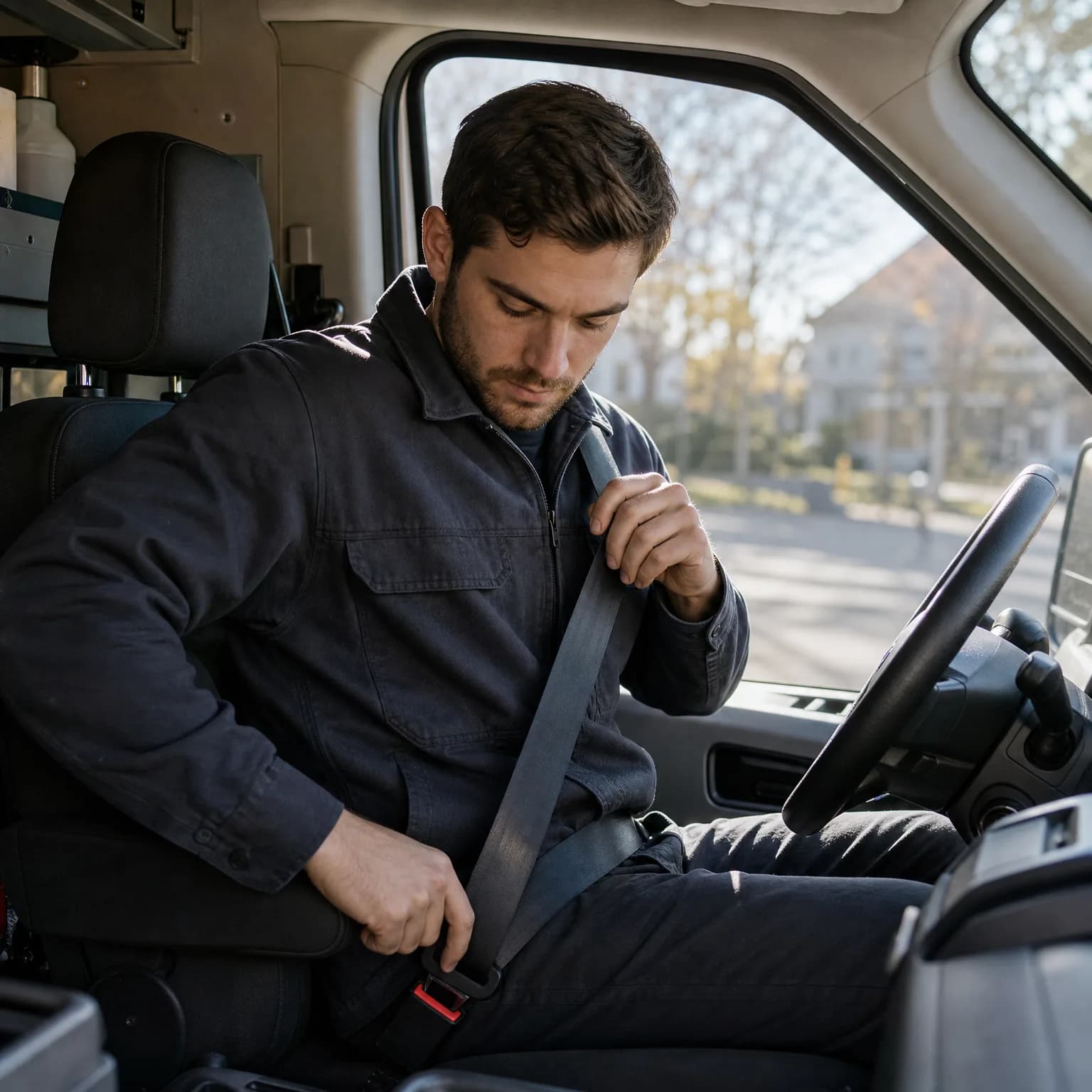

How Multi-Vehicle Households Change the Calculation
If you're insuring two or more vehicles, the cheapest single-vehicle rate is not the cheapest multi-vehicle rate. The multi-car discount requires every vehicle on the same policy, and not every high-risk carrier offers it. Non-standard specialists often don't discount for multiple vehicles, or they discount less than standard carriers do. Standard carriers with high-risk divisions—Geico, Progressive, Farmers, Allstate—typically extend the multi-car discount to high-risk tiers, and that discount can offset the higher base rate.
A household with three vehicles and one high-risk driver faces a choice: insure all three vehicles with a non-standard carrier at a flat per-vehicle rate, or insure all three with a standard carrier's high-risk division and take the multi-car discount. The second option often wins for households with multiple vehicles, even when the per-vehicle base rate is higher, because the discount compounds across every car on the policy.
If you're the only high-risk driver in a multi-driver household, ask whether the carrier will rate the policy on the household's overall risk or only on your record. Some carriers average risk across drivers; others assign the highest-risk driver's rate to every vehicle. That difference changes which carrier wins. Geico and Progressive both write multi-vehicle high-risk policies and discount for multiple cars; compare both before committing to a non-standard specialist.
8 carriers
Maine Carriers Writing After-DUI
Of the 16 major carriers licensed in Maine, eight write after-DUI coverage: Bristol West, Dairyland, National General, The General, Geico, Progressive, Farmers, and Allstate. The remaining carriers either decline high-risk drivers outright or refer them to affiliate non-standard programs.
Maine carrier roster analysis

When SR-22 Filing Narrows Your Options
If Maine's Bureau of Motor Vehicles requires you to file an SR-22 Certificate of Insurance, your carrier list shrinks. Not every carrier writes SR-22, and those that do charge a filing fee on top of your premium. The SR-22 itself is not insurance—it's a certificate your carrier files electronically with the state proving you carry at least the minimum required liability coverage. Maine requires SR-22 filing for drivers reinstating a suspended license after certain violations, including DUI, driving without insurance, or accumulating excessive points.
Eight carriers in Maine write SR-22: Bristol West, Dairyland, National General, The General, Geico, Progressive, Farmers, and Allstate. State Farm and USAA also write SR-22 but serve narrower audiences—State Farm through agents only, USAA for military-affiliated drivers only. If you need SR-22, compare quotes from at least three of the first eight carriers.
Compare Quotes Every Six Months
High-risk pricing is not static. As your violation ages, your rate should drop. Non-standard carriers don't always reprice you automatically—you stay in the high-risk tier until you request a re-quote or switch carriers. Standard carriers with high-risk divisions reprice more frequently, often at each renewal, but the rate drop may not match what a competitor would quote you today. The cheapest carrier at policy inception is often not the cheapest carrier 18 months later.
Set a calendar reminder to compare quotes every six months. After three years, most violations drop off your driving record for rating purposes, and you may qualify for standard-tier pricing again. At that point, carriers who declined you initially—Amica, Hartford, Nationwide, Travelers—may quote you at rates below what your current high-risk carrier offers. The transition from high-risk to standard pricing is not automatic. You trigger it by requesting new quotes and moving your policy when a better rate appears.
Which Carriers Write High-Risk in Maine
Bristol West, Dairyland, National General, and The General are non-standard specialists. All four write SR-22, non-owner, and after-DUI coverage. Bristol West requires broker contact; the other three offer online quotes. These carriers price for high-risk drivers as their primary market. If you have a DUI conviction in the past three years, multiple at-fault accidents, or a suspended license you're reinstating, start here.
Geico, Progressive, Farmers, and Allstate write high-risk drivers through their standard platforms but price you into a higher tier. All four write SR-22 and after-DUI coverage. Geico and Progressive also write non-owner policies. If your violation is older than three years, or if you're adding a second vehicle to your policy and need the multi-car discount, these carriers may beat the non-standard specialists because you can access their standard-market discounts once your record improves.
Get Your Free Quote
Get My Maine Car Insurance QuoteFrequently Asked Questions
What makes a driver high-risk in Maine?
Maine insurers classify you as high-risk if you have a DUI conviction, multiple at-fault accidents within three years, a suspended license, a lapse in coverage exceeding 90 days, or excessive points on your driving record. Each carrier defines high-risk slightly differently, but these violations consistently trigger non-standard pricing.
Do all Maine carriers write high-risk drivers?
No. Of the 16 major carriers licensed in Maine, eight write after-DUI coverage: Bristol West, Dairyland, National General, The General, Geico, Progressive, Farmers, and Allstate. The remaining carriers either decline high-risk drivers or refer them to affiliate non-standard programs.
How much does SR-22 filing cost in Maine?
This is a one-time or annual administrative fee separate from your premium. The premium increase from being in the high-risk tier is typically far larger than the filing fee itself.
Can I get the multi-car discount as a high-risk driver in Maine?
Yes, but not from every carrier. Standard carriers with high-risk divisions—Geico, Progressive, Farmers, Allstate—typically extend the multi-car discount to high-risk tiers. Non-standard specialists often don't offer it, or discount less. Compare both carrier types if you insure multiple vehicles.
How long does high-risk pricing last in Maine?
Most violations affect your rate for three years from the conviction or incident date. After three years, the violation drops off your driving record for rating purposes, and you may qualify for standard-tier pricing. You must request new quotes to trigger the rate drop—it's not automatic.
Should I choose minimum coverage or full coverage as a high-risk driver?
If you own your vehicle outright and its value is below the cost of one year's collision and comprehensive premiums, minimum coverage often makes financial sense. If you're financing or leasing, your lender requires full coverage. Compare the annual cost of collision and comprehensive against your vehicle's current value to decide.